National guide · Pool opening
When to Open Your Pool: Local Dates Beat Rules of Thumb
Last updated: July 25, 2026 · top-50 dates · why it works · FAQ
Open your pool when daytime highs settle near 70°F — and before the water itself reaches 65°F, the point where algae growth accelerates under a cover. On this site that rule becomes a date: for each of 698 U.S. cities, we model NOAA 1991–2020 climate normals, find the day the local 7-day mean temperature crosses 61°F, and recommend opening about two weeks earlier. Find your city below, or jump straight to the calculator.
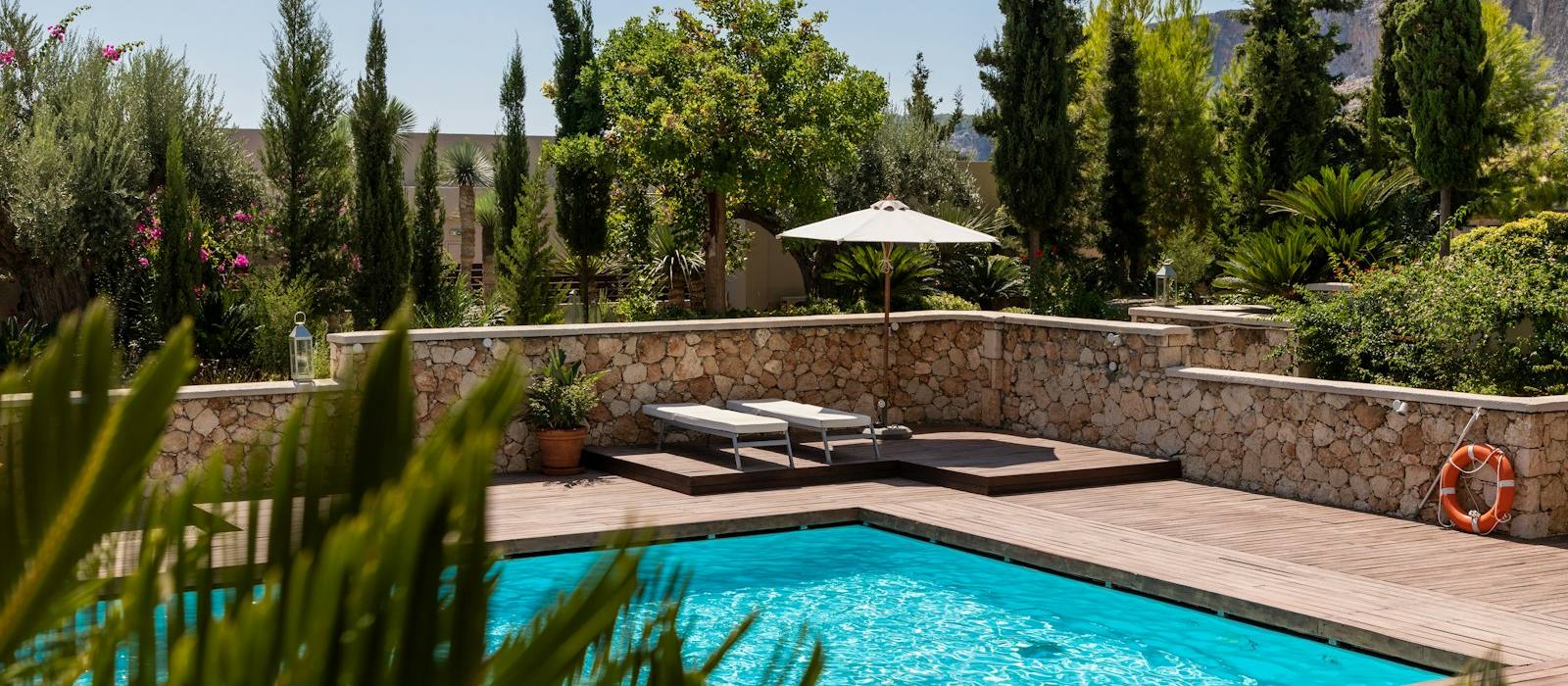 The reward for opening on time
Opening dates for the 50 largest covered metros
Every date links to a full local guide with the live water-temperature model, the complete window, and a step-by-step checklist. States are covered in depth on their own pages — see the full list at the end of this guide.
| City | State | Open by | 61°F crossing |
|---|---|---|---|
| New York | NY | Apr 24 | May 8 |
| Los Angeles | CA | Mar 22 | Apr 5 |
| Chicago | IL | May 12 | May 26 |
| Miami | FL | year-round | 203 swim days |
| Houston | TX | Feb 18 | Mar 4 |
| Dallas | TX | Mar 7 | Mar 21 |
| Philadelphia | PA | Apr 15 | Apr 29 |
| Atlanta | GA | Mar 30 | Apr 13 |
| Washington | DC | Apr 13 | Apr 27 |
| Boston | MA | May 10 | May 24 |
| Phoenix | AZ | Feb 22 | Mar 8 |
| Detroit | MI | May 8 | May 22 |
| Seattle | WA | May 31 | Jun 14 |
| San Francisco | CA | Jul 22 | Aug 5 |
| San Diego | CA | Mar 28 | Apr 11 |
| Tampa | FL | year-round | 223 swim days |
| Minneapolis | MN | May 8 | May 22 |
| Brooklyn | NY | Apr 27 | May 11 |
| Denver | CO | May 11 | May 25 |
| Queens | NY | Apr 23 | May 7 |
| Riverside | CA | Mar 12 | Mar 26 |
| Las Vegas | NV | Mar 9 | Mar 23 |
| Baltimore | MD | Apr 12 | Apr 26 |
| St. Louis | MO | Apr 11 | Apr 25 |
| Portland | OR | May 18 | Jun 1 |
| San Antonio | TX | Feb 25 | Mar 11 |
| Sacramento | CA | Apr 1 | Apr 15 |
| Orlando | FL | year-round | 227 swim days |
| Austin | TX | Feb 23 | Mar 9 |
| San Jose | CA | Apr 12 | Apr 26 |
| Indianapolis | IN | Apr 28 | May 12 |
| Pittsburgh | PA | Apr 29 | May 13 |
| Cincinnati | OH | Apr 22 | May 6 |
| Kansas City | MO | Apr 16 | Apr 30 |
| Cleveland | OH | May 4 | May 18 |
| Manhattan | NY | Apr 24 | May 8 |
| Columbus | OH | Apr 27 | May 11 |
| Charlotte | NC | Apr 1 | Apr 15 |
| Bronx | NY | Apr 24 | May 8 |
| Virginia Beach | VA | Mar 31 | Apr 14 |
| Jacksonville | FL | Feb 9 | Feb 23 |
| Providence | RI | May 10 | May 24 |
| Milwaukee | WI | May 13 | May 27 |
| Nashville | TN | Apr 6 | Apr 20 |
| Salt Lake City | UT | Apr 29 | May 13 |
| Raleigh | NC | Apr 3 | Apr 17 |
| Richmond | VA | Apr 10 | Apr 24 |
| Memphis | TN | Mar 25 | Apr 8 |
| Oklahoma City | OK | Apr 9 | Apr 23 |
| Hartford | CT | May 4 | May 18 |
When America opens: all 698 cities on one chart
Recommended opening months across every covered city — the Sun Belt opens in February and March while the northern tier waits for May. Find your own bar's month, then use the state pages below for the exact local date.
Why water temperature — not the calendar — decides the date
Algae are the whole story. Below roughly 60°F water they barely metabolize; past about 65°F they wake up, and every additional degree compounds the growth rate. A covered pool in spring is the perfect incubator — still water, fading winter sanitizer, warming temperatures, and darkness that hides the first colonies until they're established. The goal of a well-timed opening is simple: get the water circulating and sanitized while it is still too cold for algae to compete.
Air leads, water follows. Pool water is a huge thermal mass, so it tracks the average of recent air temperatures — highs and lows together — with a lag of one to two weeks, not the afternoon reading on a warm Saturday. That's why our model watches the 7-day mean temperature and why a single 80°F weekend in March doesn't mean your pool is about to bloom. The curve below shows the typical shape of the spring hand-off.
The economics: early is cheap, late is expensive
An early opening buys you cold water, and cold water is forgiving. Startup consists of removing the cover, reassembling equipment, balancing, and one label-dosed shock — the water stays clear because nothing is growing yet. Industry retailers and service companies have repeated the same finding for years: pools opened before the water warms cost meaningfully less to start than pools opened after, because a "green opening" multiplies everything — repeat shock doses, clarifiers, days of continuous filtration, filter media replacements, and sometimes a professional rescue visit.
The second cost of waiting is the queue. Nationally, pool opening concentrates in the first half of May and peaks around Memorial Day. Chemical shelves thin out, test-strip displays empty, and service companies book their best crews weeks ahead. Opening two to three weeks before your local crossing date — exactly what the model recommends — means shopping while everything is stocked and booking help while calendars are open. The table above and each city guide's "what to buy" list exist for precisely that window.
How to read your local window
Every city guide shows the same three dates, built from its own NOAA normals station:
- Open by — the recommended date: two weeks before the local 61°F crossing. Cold-water opening, cheap chemistry, empty stores.
- Opening window — the practical range. It starts a week before the "open by" date for early birds and runs to the crossing itself. Anywhere inside it is a good opening.
- 61°F crossing — the model's line in the sand: the day the 7-day mean temperature reaches 61°F, after which unheated water climbs toward the algae zone within days. Past this date, open immediately and consider the checklist a same-week project.
Two honest caveats. First, these are climate-normal dates — a typical year, not a forecast; the live widget on every city page compares this spring's actual temperatures against the normals so you can shift with the weather. Second, the model describes an unheated, outdoor, in-ground pool; heated pools, screened enclosures, and above-ground pools warm on their own schedules (details on the methodology page).
What opening actually involves
Every local guide carries the full 12-step checklist, but the shape is always: clear and store the cover, refill, reassemble the equipment pad, prime and run the pump a full day, service the filter, brush and vacuum, test, balance per product labels, shock per its label, and filter until clear. Two people, one weekend, no heroics — the step-by-step how-to walks the generic sequence, including the above-ground and salt-water variations. The only step people regret skipping is the first water test — every downstream dose depends on it, and spring readings always drift from fall's.
Chemical dosing on this site is deliberately boring: we never publish dosages. Product concentrations vary too much for generic teaspoons-per-gallon advice to be responsible. Every product's label states its dose for your pool volume; the label wins every argument, including with us. What to buy — and how the boxed opening kits map onto the five real categories — is the opening chemicals guide. Weighing a hired opening instead? Read service vs DIY before the calendars fill.
How much does pool opening cost?
Professional openings average $300 for a standard inground visit; committed DIYers spend closer to the price of a startup chemical kit. The honest comparison — including what a pro does that you might not — lives in the service-vs-DIY guide.
| Service / item | Typical range | What it covers |
|---|---|---|
| Professional opening service | $200–$400 | Standard one-visit inground opening (cover removal, equipment startup, initial chemical balance). Above-ground pools run $150–$250; extras like vacuuming or mesh covers add $40–$150. |
| DIY opening chemical kit | $30–$100 | Basic spring start-up kits (shock, algaecide, stain/metal control, test strips) for pools up to 15,000–30,000 gal; deluxe kits that add pH, alkalinity, and clarifier chemicals run $80–$150. |
| Green-pool recovery (if you opened late) | $300–$800 | Professional green-to-clean chemical recovery, usually 2–5 visits. Light blooms from $150–$300; severe swamp pools requiring drain-and-clean or acid wash run $500–$1,500+. |
| Monthly maintenance service | $80–$200/month | Weekly cleaning-and-chemical service on contract; premium metros can exceed $230/month. |
Water-temperature facts worth knowing
The model on this site leans on a few well-documented physical facts — the same ones that explain why an early, cold-water opening is the cheap one:
Most recreational swimmers find pool water of about 78–82°F safe and comfortable — the range widely cited by the American Red Cross and the U.S. Department of Energy — while young children, seniors, and swim-lesson participants generally do better at 84°F or warmer.
American Red Cross / U.S. Department of EnergyPool-industry guidance holds that algae stays largely dormant in water below about 60–65°F but begins to bloom once the water warms past that point, with growth rates commonly said to roughly double for every additional 10°F.
Pool & spa industry (widely cited)Because water gains and loses heat far more slowly than air, an unheated pool's temperature roughly matches the average air temperature of the preceding five to seven days — the water lags air-temperature swings by days to weeks.
Pool & solar-heating industry (widely cited)In unstabilized water with no cyanuric acid, sunlight's UV rays can destroy most of a pool's free chlorine within a couple of hours of direct summer sun.
Pool & spa industry (widely cited)Pool opening FAQ
What outside temperature is right for opening a pool?
The retail rule says consistent daytime highs around 70°F. Our model sharpens it: when the 7-day mean of highs and lows crosses 61°F, unheated water reaches the algae zone within a couple of weeks. Both point at the same moment — ours just comes with your city's date attached.
What water temperature do algae start growing at?
Growth accelerates noticeably past about 65°F and compounds from there. Below roughly 60°F, algae are close to dormant — which is exactly why the model wants your pool open, circulating, and sanitized before the water leaves the 50s.
Is it OK to open a pool in March?
In much of the Sun Belt, March is not just OK — it's the model's recommendation; Phoenix's window, for example, opens in February. In northern states, March is early but harmless: you'll spend a little more on pump runtime and gain a head start on any equipment surprises.
What if a cold snap hits after I open?
Nothing bad. Cold water holds chemistry beautifully; just keep the pump running on freezing nights (moving water resists freezing) or follow your equipment's freeze-protection guidance. A re-frozen week costs pennies of electricity; it doesn't undo the opening.
Do I have to shock the pool at opening?
Almost always yes — a startup oxidation clears the winter's accumulated organics and establishes sanitizer control. Dose strictly per the shock product's label for your volume, run the filter overnight, and re-test before anyone swims.
How long does an opening take?
The physical work is a weekend: half a day of cover and assembly work, a 24-hour pump run, then testing and balancing. Water typically polishes clear over one to three days of filtration after a cold-water opening — longer if the pool wintered dirty or opened late and warm.
Should I open it myself or hire a service?
The checklist is genuinely DIY-friendly if you can lift a wet cover and turn a wrench. Hire out if the pool has a heater you're unsure about, winter damage, or you simply want the hours back — but book early; crews closest to the crossing date are booked solid.
Why do your dates differ from my neighbor's advice?
Neighbors remember habits; the model reads thermometers. A date like "Memorial Day" survives because it's easy, not because it matches your climate — in most covered cities the 61°F crossing lands weeks earlier. Check your city's page and you'll see exactly which normals station and which crossing produced its dates.
Every state we cover
- Alabama
- Arizona
- Arkansas
- California
- Colorado
- Connecticut
- Delaware
- District of Columbia
- Florida
- Georgia
- Hawaii
- Idaho
- Illinois
- Indiana
- Iowa
- Kansas
- Kentucky
- Louisiana
- Maine
- Maryland
- Massachusetts
- Michigan
- Minnesota
- Mississippi
- Missouri
- Montana
- Nebraska
- Nevada
- New Hampshire
- New Jersey
- New Mexico
- New York
- North Carolina
- North Dakota
- Ohio
- Oklahoma
- Oregon
- Pennsylvania
- Rhode Island
- South Carolina
- South Dakota
- Tennessee
- Texas
- Utah
- Vermont
- Virginia
- Washington
- West Virginia
- Wisconsin
- Wyoming
Autumn planning starts on the national closing guide. The full model — thresholds, formulas, error bars — is documented on the methodology page, with data credits on sources.